Membranes That Reflect Heat and Resist Damage
TPO Roofing in Lawrenceville for commercial buildings prioritizing energy efficiency, UV resistance, and long-term durability
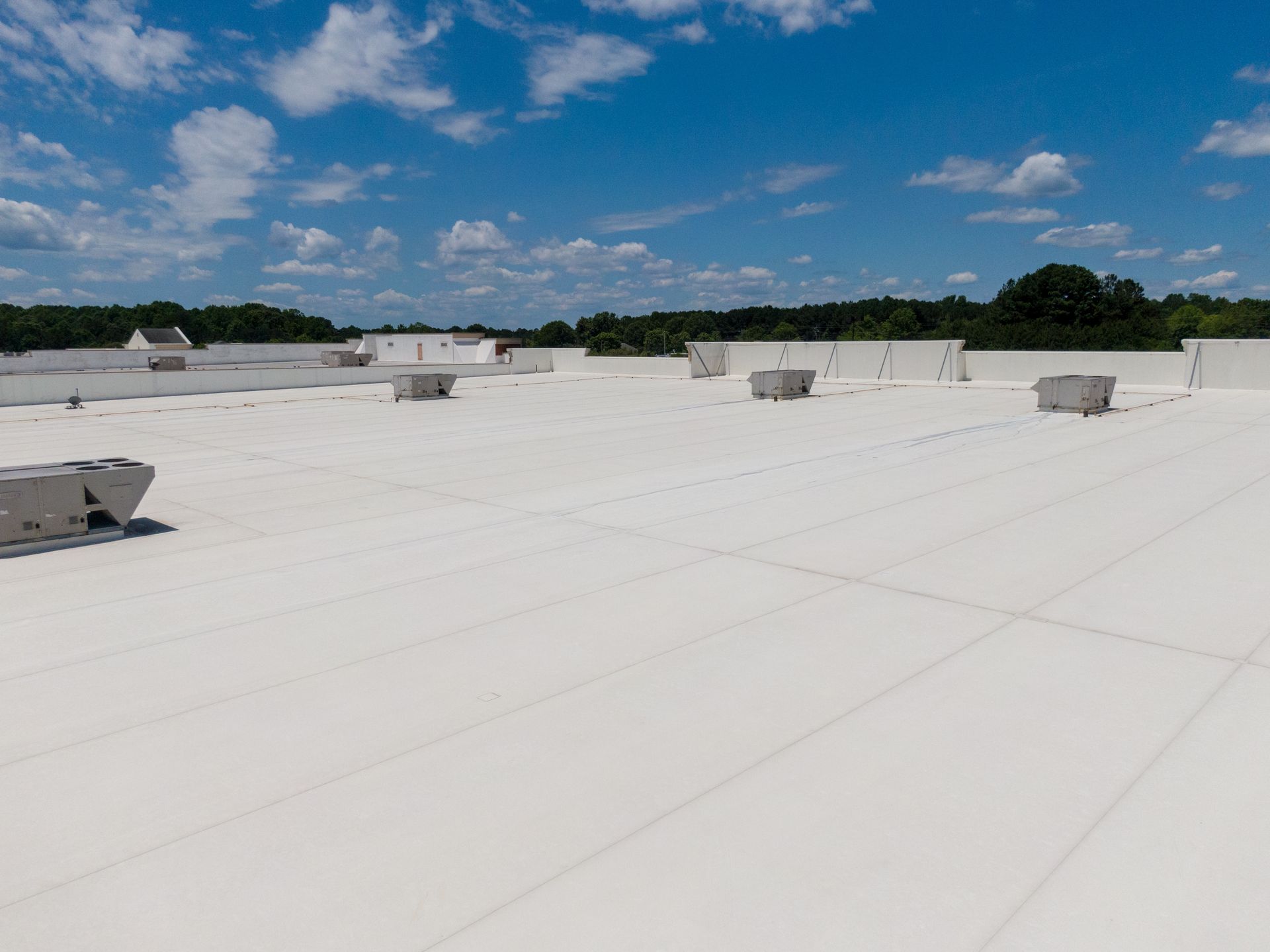
TPO roofing membranes reflect a significant portion of solar radiation, which reduces the amount of heat absorbed through the roof and lowers cooling costs in buildings that run air conditioning for most of the year. This energy-efficient characteristic makes TPO a practical choice for offices, retail buildings, warehouses, and industrial facilities in Lawrenceville where summer temperatures regularly exceed 90 degrees and rooftop surface temperatures climb well above 150 degrees. Legacy Roofing LLC installs, repairs, and replaces TPO roofing systems throughout Northwest Georgia, focusing on proper membrane attachment, heat-welded seams that prevent water intrusion, and installation practices that support manufacturer warranties covering 15 to 20 years.
TPO membranes resist punctures from foot traffic, falling branches, and hail better than many single-ply alternatives, and the material's flexibility allows it to expand and contract through temperature swings without cracking. Installation involves mechanically attaching or fully adhering the membrane to the roof deck, then heat-welding seams to create watertight bonds that won't separate under wind uplift or thermal stress. The white or light-colored surface reflects UV rays instead of absorbing them, which slows membrane degradation and reduces the urban heat island effect in developed areas.
Request a consultation to learn how TPO roofing systems perform in your specific building application.
How TPO Roofing Addresses Energy and Durability Concerns
The reflective surface of TPO roofing reduces cooling loads by lowering the temperature of the building envelope, which means HVAC systems don't work as hard to maintain interior comfort during Georgia's extended summer season. Heat-welded seams eliminate the risk of adhesive failure that can occur with glued or taped seam systems, and the welding process creates a bond that's often stronger than the membrane itself. Proper installation requires balancing membrane tension so the material doesn't wrinkle or stretch excessively, and flashings around penetrations must be detailed correctly to prevent water from entering at vulnerable transition points.
After TPO roofing installation or replacement, building owners notice lower energy bills during peak cooling months, fewer interior temperature fluctuations, and a roof surface that stays cooler to the touch even in direct sunlight. The membrane's resistance to common weather-related wear means fewer maintenance interventions over the system's lifespan, and the material doesn't support mold or algae growth the way some darker membranes do.
TPO roofing repair focuses on addressing punctures, seam failures, or areas where the membrane has lifted due to inadequate attachment, and repairs use the same heat-welding techniques as the original installation to maintain system integrity. Replacement becomes necessary when the membrane has reached the end of its functional life, typically indicated by widespread surface cracking, loss of reflectivity, or repeated failures in multiple locations.
Common Questions About TPO Roofing Systems
Property owners and facility managers considering TPO roofing in Lawrenceville want to understand how the system performs compared to alternatives and what affects installation quality.
How does TPO roofing reduce energy costs?
The white or light-colored surface reflects up to 80 percent of solar radiation, which keeps the roof surface significantly cooler than dark membranes and reduces the heat transfer into the building, lowering air conditioning demand throughout summer months.
What's the difference between mechanically attached and fully adhered TPO?
Mechanically attached systems use plates and fasteners through the membrane, which allows for faster installation and easier repairs, while fully adhered systems bond directly to the substrate with adhesive, providing better wind uplift resistance and a smoother appearance.
How long does TPO roofing last in Georgia's climate?
Properly installed TPO systems typically perform for 15 to 25 years depending on membrane thickness, UV exposure, and maintenance practices, with the reflective properties slowing thermal degradation compared to darker roofing materials.
What causes TPO seams to fail?
Inadequate heat-welding during installation, excessive membrane tension that stresses seams, or using incompatible materials near the seam area can all lead to separation, which is why professional installation techniques and proper equipment calibration matter for long-term performance.
Why choose TPO over EPDM for a commercial building?
If reducing cooling costs and maintaining a lighter-colored roof surface matter more than initial cost savings, TPO provides better energy performance, while EPDM offers lower upfront expense and better flexibility in extreme temperature swings, so the choice depends on building priorities.
Legacy Roofing LLC helps commercial property owners evaluate whether TPO roofing aligns with their building's energy goals, budget considerations, and long-term maintenance plans. Schedule a property assessment to discuss TPO roofing options and installation timelines for your facility.