Flexibility That Handles Temperature Extremes
EPDM Roofing in Lawrenceville for flat and low-slope commercial buildings needing weather-resistant, durable membrane systems
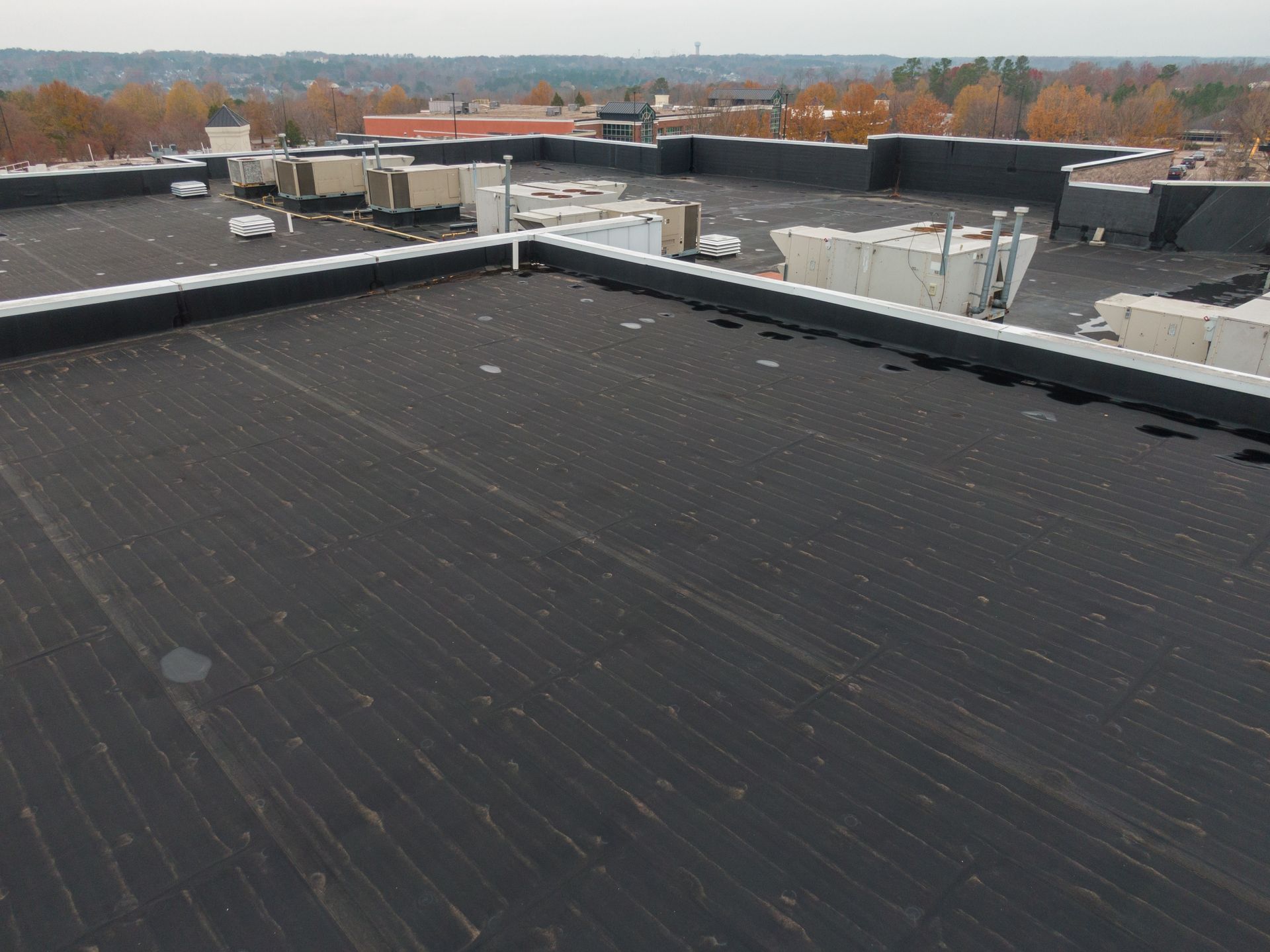
EPDM roofing membranes remain flexible across a wide temperature range, which matters in a climate where winter mornings can drop into the 20s and summer afternoons push rooftop surfaces above 150 degrees. This rubber-like material expands and contracts without cracking or losing its waterproofing properties, which makes it a reliable choice for flat and low-slope commercial roofing systems where thermal movement stresses seams and attachment points. Legacy Roofing LLC provides EPDM roofing installation, repair, and replacement services throughout Lawrenceville and Northwest Georgia, focusing on proper seam protection, flashing details, and membrane attachment methods that support long-term durability even when exposed to Georgia's severe storms, moisture intrusion risks, and sustained UV exposure.
EPDM systems perform well on warehouses, office buildings, retail centers, and industrial facilities where initial cost and proven reliability matter more than reflective properties. The black membrane absorbs heat rather than reflecting it, which can be a disadvantage in cooling-dominated climates but poses no structural concern for the roofing system itself. Installation involves mechanically fastening or fully adhering the membrane to the roof deck, then sealing seams with tape or liquid adhesive to create watertight connections that won't separate under wind or water pressure.
Request an EPDM roofing consultation to evaluate whether this system fits your building's structural and budget requirements.
What Separates Quality EPDM Installation from Shortcuts
Proper EPDM roofing installation requires preparing the substrate so the membrane adheres evenly without wrinkles or air pockets, which means the deck must be clean, dry, and smooth before adhesive application or mechanical fastening begins. Seam integrity determines whether the roof remains watertight, and the seaming process—whether tape-based or liquid-applied—must follow manufacturer specifications for overlap width, surface preparation, and curing time. Corners, edges, and penetrations around vents or equipment require additional detailing because these areas experience the highest stress from wind uplift and thermal movement.
After EPDM roofing installation or replacement, water drains completely without finding pathways through seams or flashings, and the membrane remains intact through freeze-thaw cycles, summer heat, and the heavy rain events common during Georgia's spring and fall months. The material resists punctures from foot traffic and minor impacts, though sharp objects can still damage it if proper precautions aren't taken during maintenance work on rooftop equipment.
EPDM repair focuses on addressing punctures, seam failures, or areas where pooling water has worn through the membrane, and inspections catch these issues before they lead to interior damage. Replacement becomes necessary when widespread membrane degradation, extensive cracking, or repeated failures in multiple locations indicate the system has reached the end of its functional life, typically after 20 to 30 years depending on maintenance practices and exposure conditions.
Questions Property Owners Ask Before Choosing EPDM
Commercial property owners in Lawrenceville often want to understand how EPDM compares to other membrane options and what maintenance practices extend system life.
What makes EPDM a good choice for commercial buildings?
EPDM costs less per square foot than many alternatives, performs reliably in temperature extremes, and has a long track record of durability, making it a practical option for properties where initial investment and proven performance outweigh energy efficiency considerations.
How does seam protection affect EPDM roof lifespan?
Seams are the most vulnerable part of any single-ply membrane system, and proper overlap, adhesive application, and curing time during installation directly determine whether seams stay watertight through years of thermal cycling and weather exposure.
Why do some EPDM roofs develop leaks around penetrations?
Flashing details around vents, drains, and rooftop equipment must account for differential movement between the membrane and the penetration, and inadequate sealant application or missing reinforcement layers allow water to enter at these transition points.
What causes ponding water on EPDM roofs?
Low spots in the roof deck, sagging insulation, or inadequate slope during construction create areas where water collects, and while EPDM itself tolerates standing water better than many materials, prolonged ponding still accelerates wear and increases leak risk.
When should EPDM membranes be inspected in Lawrenceville?
Inspections after severe storms, at least annually before peak weather seasons, and any time interior water stains appear help catch punctures, seam separation, and drainage issues before they require emergency repairs or lead to structural damage.
Legacy Roofing LLC inspects EPDM roofing systems for both visible damage and underlying concerns that affect long-term performance, and provides repair or replacement recommendations based on the membrane's current condition and remaining service life. Arrange a site visit to evaluate your EPDM roof and discuss maintenance strategies that extend system durability.