Surfaces Designed for Weather and Water
Flat Roofing in Lawrenceville for commercial properties experiencing drainage failures, membrane leaks, or chronic ponding issues
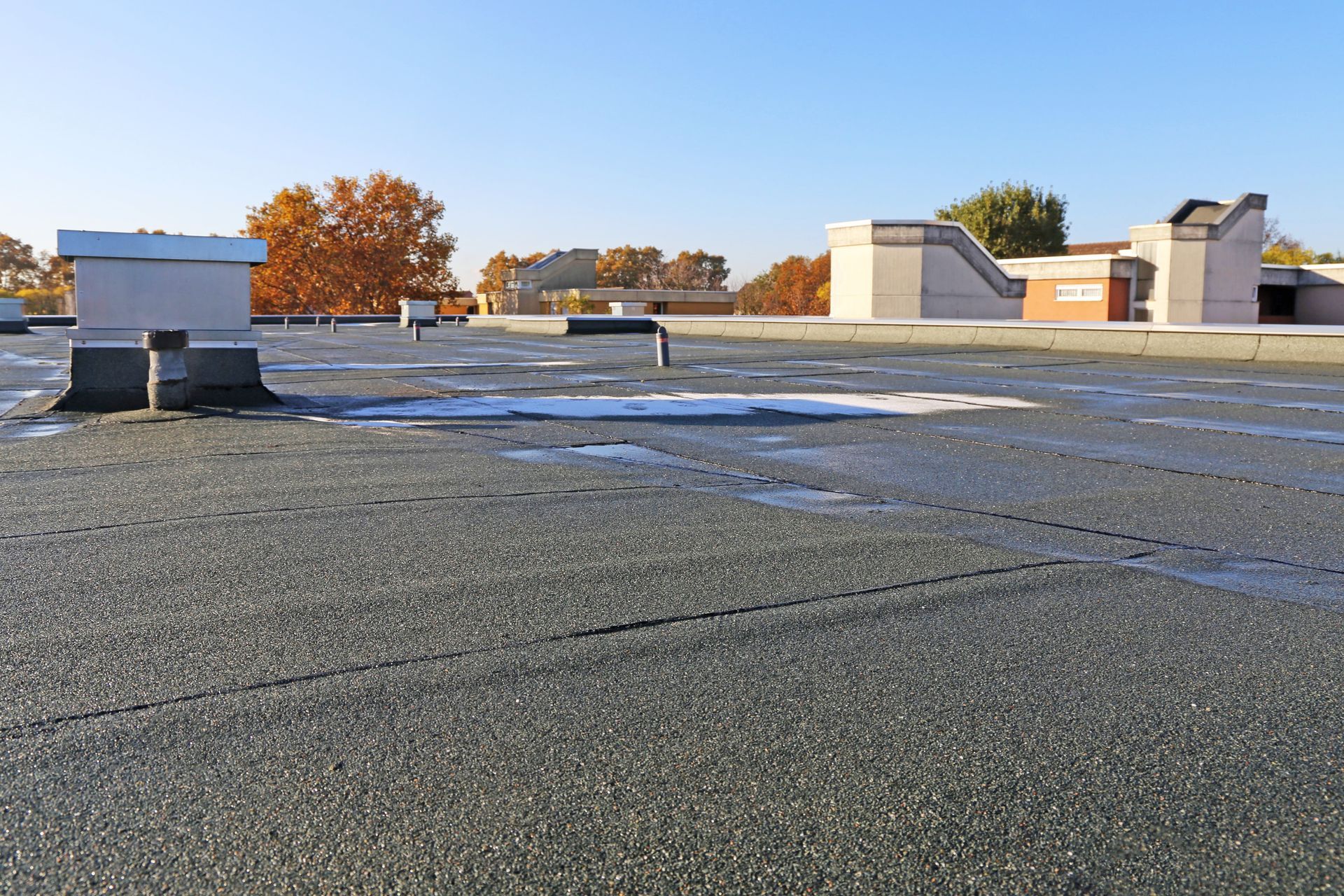
Flat roofing systems on commercial buildings face a different set of challenges than sloped roofs because water doesn't shed naturally—it must be directed through internal drains or scuppers, and any low spots where water collects accelerate membrane wear and increase the risk of leaks. Legacy Roofing LLC provides flat roofing repair, replacement, maintenance, and leak prevention services in Lawrenceville and across Northwest Georgia for low-slope structures where standing water, UV exposure, and severe storms test the limits of membrane durability. Properties with flat roofs notice the difference when drainage works correctly, membranes remain intact through temperature swings, and interior spaces stay dry regardless of how much rain falls.
Flat roofing service includes inspecting membrane surfaces for punctures, checking seams for separation, evaluating drainage pathways for blockages, and identifying areas where water pools longer than 48 hours after rain. Addressing these concerns prevents minor issues from becoming structural problems, and proper membrane protection extends the functional life of the roofing system. In Georgia, where afternoon thunderstorms dump heavy rain in short windows and summer heat keeps surface temperatures above 150 degrees for weeks at a time, flat roofing systems require both water management and UV-resistant materials to perform reliably.
Schedule a flat roof evaluation to identify drainage concerns and membrane condition before small issues expand.
What You Notice Once Flat Roofing Work Is Finished
After flat roofing repairs or membrane replacement, water drains completely within hours of a storm instead of pooling in the same spots for days, and interior ceilings no longer show water stains or discoloration that signals active leaks. The work involves sealing punctures, re-adhering lifted seams, replacing damaged membrane sections, and sometimes re-grading areas where the roof deck has settled unevenly. If drainage components are clogged or undersized, clearing those pathways or adding secondary drains restores proper water flow and eliminates the conditions that lead to membrane failure.
Legacy Roofing LLC focuses on making flat roofing systems function as designed, which means addressing not just the visible damage but also the underlying causes—whether that's inadequate drainage capacity, membrane materials that can't handle sustained UV exposure, or attachment methods that allow wind to lift edges during storms. Properties throughout Lawrenceville benefit from inspections that catch these issues before they require full replacement.
Flat roofing maintenance also includes removing debris that blocks drains, inspecting flashings around rooftop equipment, and checking for blistering or cracking that indicates the membrane is nearing the end of its functional life. Regular maintenance extends system longevity and reduces the likelihood of emergency repairs during severe weather.
Answers to Frequent Flat Roofing Questions
Business owners and property managers in Lawrenceville often want to understand what affects flat roofing performance and how to avoid recurring problems.
What causes water to pool on flat roofs?
Low spots in the roof deck caused by structural settling, inadequate slope during initial construction, or sagging insulation create areas where water collects instead of draining, and these spots wear through the membrane faster than properly drained sections.
How often should flat roofing systems be inspected?
Inspections twice per year, typically in spring and fall, catch membrane damage, drainage blockages, and early signs of wear before they lead to leaks, and additional inspections after severe storms help identify hidden damage that may not show up immediately.
Why do some flat roof membranes crack while others stay flexible?
Membrane materials respond differently to temperature changes—EPDM remains flexible across a wide range, while certain modified bitumen systems become brittle in cold snaps, and UV exposure degrades any membrane over time unless it includes built-in protection.
What's included in flat roofing maintenance?
Maintenance includes clearing drains and scuppers, removing debris, inspecting seams and flashings, checking for punctures from foot traffic or falling branches, and applying sealant to areas showing early signs of wear.
When should a flat roof be replaced instead of repaired?
If more than 30 percent of the membrane shows damage, if moisture has infiltrated the insulation layers, or if the roof has been patched repeatedly in the same areas, replacement typically costs less over time than continued reactive repairs and provides a warranty-backed system that performs reliably.
Legacy Roofing LLC evaluates flat roofing systems for both immediate repair needs and long-term performance considerations, and helps property owners understand when proactive work prevents larger expenses. Arrange a site inspection to review your roof's current condition and maintenance requirements.