Documentation That Supports Storm Damage Claims
Insurance Claims Assistance in Lawrenceville for property owners navigating roof damage assessments after hail, wind, or severe weather events
Storm damage to roofing systems isn't always obvious from ground level—hail impacts that crack shingles or dent metal, wind uplift that loosens membrane seams, and water intrusion that starts small but grows into structural problems all require close inspection to identify and document before filing an insurance claim. Legacy Roofing LLC provides insurance claims assistance in Lawrenceville and throughout Northwest Georgia for homeowners and businesses dealing with roofing damage from Georgia's severe weather, which includes afternoon thunderstorms with straight-line winds, hail events that can exceed one inch in diameter, and occasional tornado activity that causes localized but significant damage. Timely inspections after these events identify hidden issues that may qualify for insurance coverage, and thorough documentation increases the likelihood that claims are approved without dispute.
The assistance process includes inspecting the roof for damage, photographing affected areas with measurements and reference points, identifying patterns that indicate storm-related impact versus normal wear, and providing detailed reports that insurance adjusters can use to evaluate the claim. Communication support throughout the claim process helps property owners understand what documentation is needed, how to respond to adjuster questions, and what timelines apply to repair approvals.
Schedule a storm damage inspection to document roof conditions and start the insurance claim process while evidence is still visible.
What Actually Happens During Insurance Claim Support
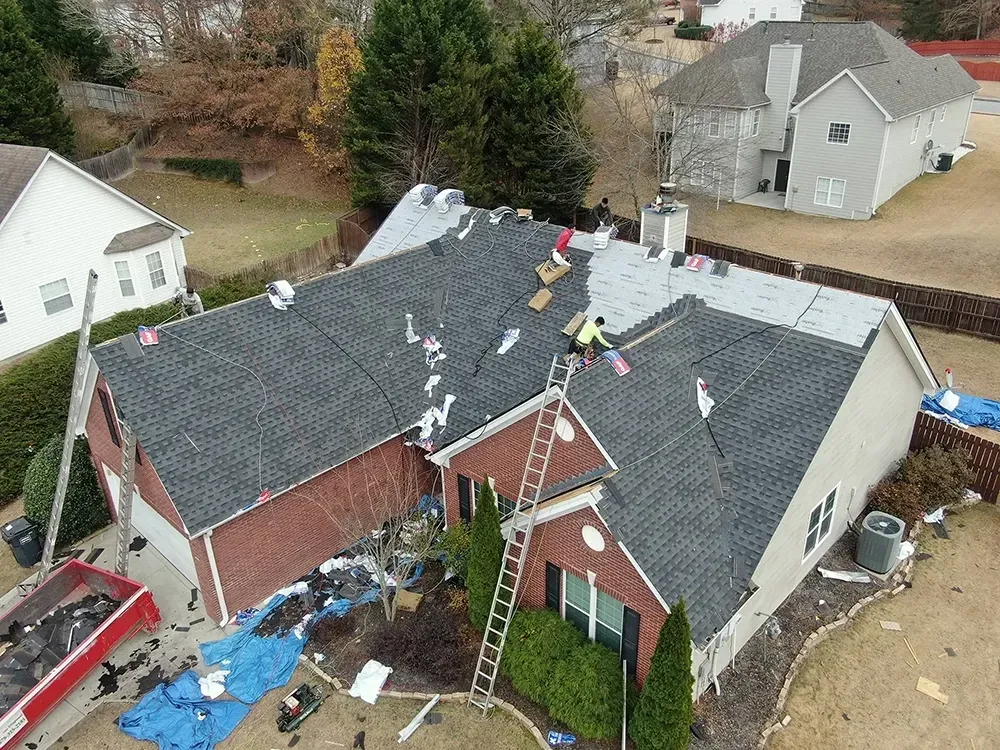
Insurance claims assistance starts with a detailed roof inspection that looks for specific types of storm damage: shingle granule loss and bruising from hail, lifted or torn membrane sections from wind, damaged flashings around penetrations, and dented or punctured metal components. Photographs must show the damage clearly with context that establishes location and extent, because insurance adjusters rely on visual evidence to determine whether the damage qualifies for coverage. The inspection also identifies pre-existing conditions that aren't covered by storm damage claims, which helps set accurate expectations about what repairs the insurance will approve.
After the inspection, Legacy Roofing LLC compiles a damage report that includes photographs, measurements, material assessments, and recommendations for repair or replacement based on the extent and type of damage found. This documentation accompanies the insurance claim and provides the technical detail adjusters need to evaluate coverage accurately. The process reduces stress for property owners by handling technical communication with insurance companies, explaining coverage decisions in plain language, and coordinating repair timelines once claims are approved.
Claims assistance also includes identifying damage that might not be immediately obvious—such as underlayment failures beneath intact shingles, fastener pull-through on flat roofs, or structural issues caused by water intrusion—because catching these problems during the initial claim prevents the need for supplemental claims later. Properties throughout Lawrenceville benefit from inspections that document the full scope of storm damage rather than just surface-level issues.
What Property Owners Usually Ask About Claims
Homeowners and business owners facing storm damage in Lawrenceville often have questions about how the claims process works and what affects approval outcomes.
How soon after a storm should the roof be inspected?
Inspections within a few days of severe weather capture damage while it's still clearly storm-related and before additional weather events complicate the assessment, though insurance claims can still be filed weeks or months later if damage is discovered during routine maintenance.
What documentation do insurance adjusters need to approve a claim?
Adjusters require photographs showing the damage with clear context, measurements of affected areas, identification of damage patterns consistent with the reported storm event, and material assessments that distinguish storm damage from normal wear or pre-existing conditions.
Why do some storm damage claims get denied in Georgia?
Claims are denied when the damage appears to result from maintenance neglect rather than a covered event, when the damage doesn't match the reported storm type, or when documentation doesn't clearly establish that the damage occurred during the claimed timeframe.
What's the difference between repair and replacement coverage?
Insurance policies may cover full replacement if damage exceeds a certain threshold or affects critical areas, while minor damage typically qualifies only for repair coverage, and understanding these thresholds helps set realistic expectations about what the claim will cover.
How does claims assistance reduce the stress of dealing with storm damage?
Professional support handles technical communication with insurance adjusters, ensures documentation meets adjuster requirements, identifies all covered damage during the initial inspection so supplemental claims aren't needed, and coordinates repair timelines once coverage is approved.
Legacy Roofing LLC helps property owners navigate the insurance claim process by providing thorough damage assessments, clear documentation, and ongoing communication support from inspection through repair completion. Arrange a storm damage evaluation to document roof conditions and begin the claim process with accurate, adjuster-ready information.